


























Cigar & Scotch Pairing Guide (+ Shirts)
Speyside alone accounts for roughly two-thirds of all Scotch malt whisky, spread across more than 50 distilleries, according to The Whisky Exchange's guide to Scotch categories. A lot of that ends up in a glass next to a burning cigar. And most of it gets paired badly.
Cigar and scotch pairing isn't complicated, but it does have a logic. Match the wrong dram to the wrong stick and one of them disappears. Match them right and you get something neither one does alone. Here's how to stop guessing.
Key Takeaways
- Match intensity, not flavor — a full-bodied maduro needs a scotch with enough weight to answer it.
- Keep your pour in the 80–100 proof window; Whisky Magazine warns against climbing much past 110 proof.
- Speyside makes roughly two-thirds of all Scotch malt whisky, which makes it the safest starting region.
- In 2025, Americans imported 429.8 million premium handmade cigars — the fifth straight year above 400 million.
Why do cigars and scotch work so well together?
Both are slow. In 2025, the U.S. brought in 429.8 million premium handmade cigars, essentially flat against 2024 and the fifth consecutive year above 400 million, according to Cigar Association of America import data. Nobody buys a handmade cigar to rush.
Scotch runs on the same clock. A single malt sat in oak for a decade before it reached your glass. Neither one rewards hurry, and that shared pace is most of why they belong on the same table.
There's chemistry in it too. Cigar smoke coats your palate with tobacco oils, wood, and pepper. A good dram cuts through that coating and resets your tongue, so the next draw tastes like the first one instead of the fifth. Water does the same job. It's just less fun.

How do you match a cigar's body to the right scotch?
Start with intensity, not flavor notes. Whisky Magazine's pairing guide pairs a Partagás Serie D No. 4 — medium-to-full with building strength — against Glenfarclas 105 at 60% ABV, because a lighter dram would vanish underneath it. Weight answers weight.
Think of it as a conversation between two people with similar speaking volume. Put a mild Connecticut-wrapped corona next to a cask-strength Islay monster and the cigar never gets a word in. Flip it and your 12-year Speyside turns into flavored water halfway through a Nicaraguan ligero.
So rank your cigar first. Mild, medium, or full? Then reach for a scotch in the same tier. Whisky Magazine's medium example works the same way: a Trinidad Coloniales sitting comfortably with a Glenfiddich 21 at 40% ABV.
Once the intensity matches, then you can play with flavor — sweet against spice, smoke against smoke, sherry against cocoa. But intensity comes first. Everything else is decoration. If you're still figuring out how your cigars taste in the first place, our beginner's guide to smoking a cigar covers the fundamentals before you complicate things with a glass.
Which scotch region should you pour with your cigar?
Scotch has five legally defined regions — Lowland, Highland, Speyside, Islay, and Campbeltown — though Scotch Whisky makes the point that how a whisky is made matters more than where. Regions are a map, not a rulebook. Still, they're a useful map.
Speyside is the safe first move. It accounts for roughly two-thirds of all Scotch malt whisky and holds more than 50 distilleries, including Glenfiddich, Glenfarclas, and Macallan, per The Whisky Exchange. Fruity, sherried, generous. It plays nice with almost any medium cigar.
Islay is the swing for the fences. Heavy peat, iodine, campfire — the kind of dram that either marries a maduro beautifully or bulldozes a mild cigar into nothing. If you've never tried it, try it. Just don't waste a delicate stick on the experiment.
Highland malts sit in between: big, full-flavored, and forgiving. Lowland pours run lighter and suit a mild morning cigar. Campbeltown is the small, weird one — briny and old-fashioned, and worth chasing once you know what you like.

What proof is too high for a cigar pairing?
Around 110 proof is where things go sideways. Whisky Magazine puts the sweet spot at 80–100 proof and advises against climbing much higher, because alcohol heat starts numbing the palate you're trying to use. You stop tasting and start bracing.
That doesn't ban cask strength. It just means you should add water. A few drops open a 60% ABV malt considerably and drop the burn back into range. Nobody's checking your card at the door for it.
Heat is also why pairing order matters. Sip after you exhale, not during the draw. Let the smoke clear, then taste. Rushing the two together is the single most common mistake, and it's an easy one to fix — along with the other beginner traps in our cigar smoking tips for beginners.
Three pairings worth trying this weekend
Bourbon drinkers get an easy on-ramp here. Bourbon & Banter describes Maker's Mark meeting a full-bodied Ashton VSG petite corona, its softness and sweetness rounding off the cigar's wood and pepper rather than fighting it. Same principle, different grain.
For scotch specifically, three combinations that reliably land:
- Mild Connecticut + Lowland or young Speyside. Morning smoke, light pour, nothing shouting. Cream and citrus on both sides.
- Medium Habano + sherried Speyside. The dried-fruit sweetness sits right on top of cedar and baking spice. This is the pairing you serve guests.
- Full maduro + Islay. Peat smoke and dark cocoa. It's aggressive and it's supposed to be. Pour small.
Want more pairing angles? The Bourbon Review runs cigar-and-bourbon matchups the same way, and the reasoning transfers cleanly to scotch. If bourbon's more your lane, we've covered bourbon and cigar shirts and the perfect pairing too.
One practical note: a bad light ruins a good pairing before the whisky ever hits the glass. Uneven burn means uneven flavor. Our guides on how to cut a cigar and how to light a cigar the right way handle that part.
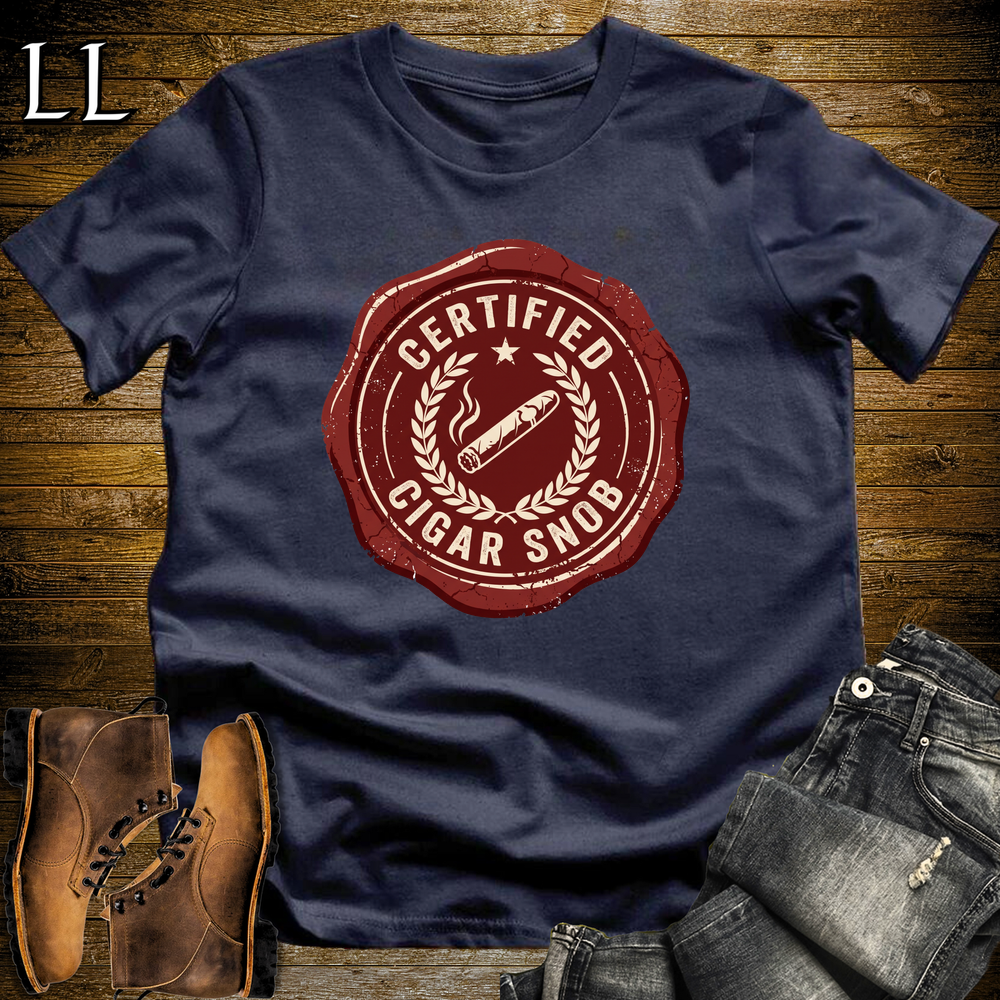
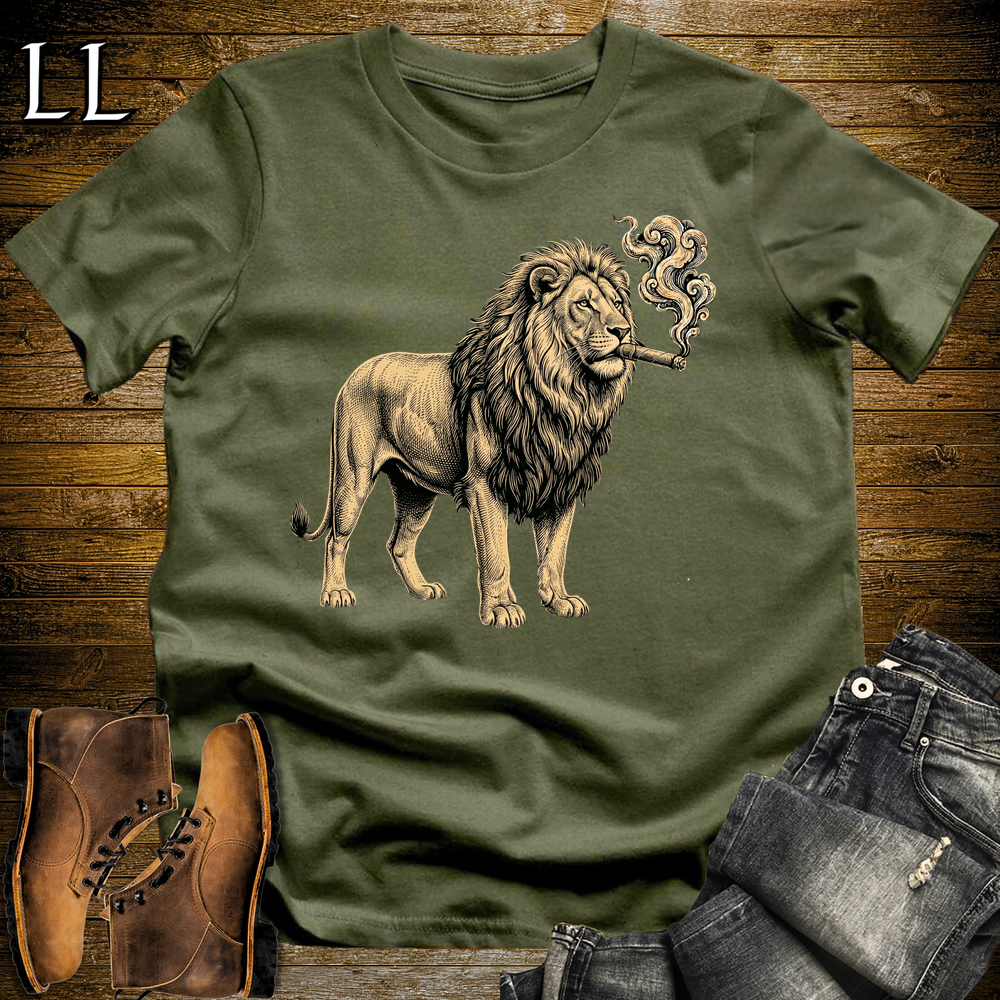
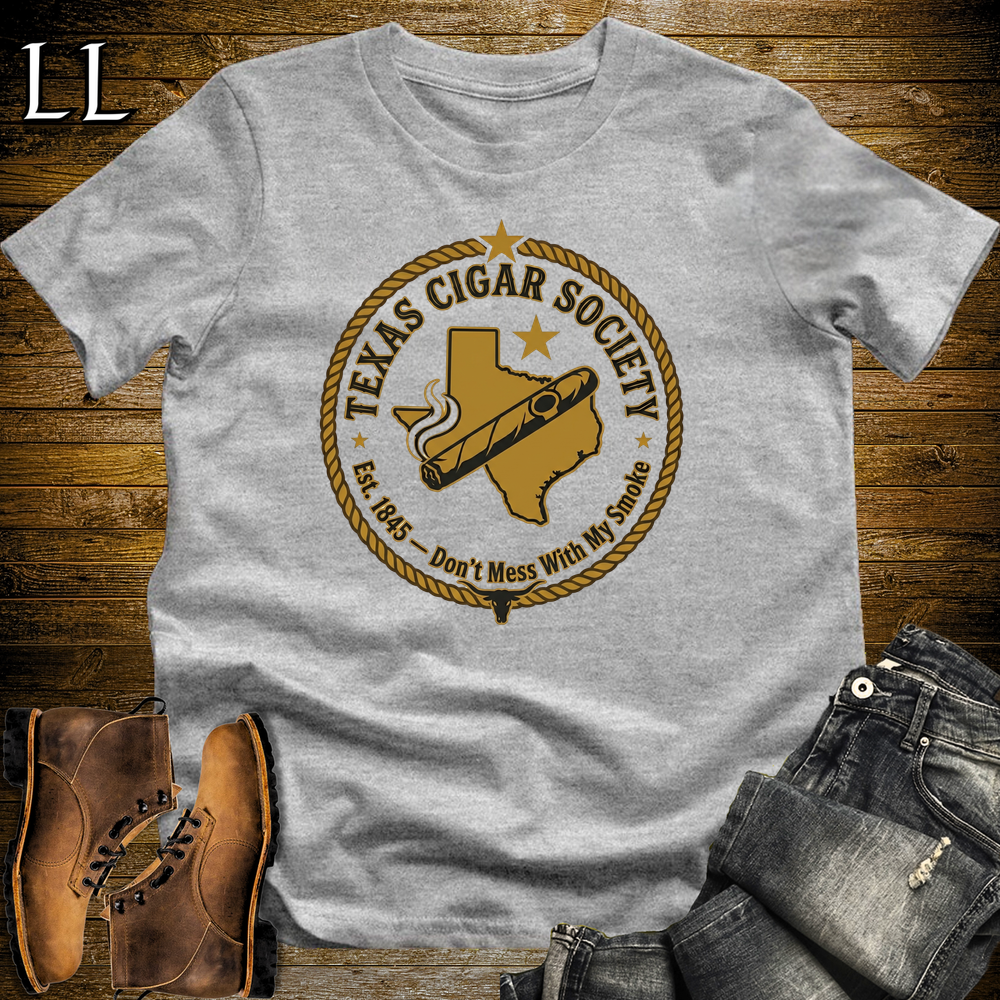
Gear up — shop cigar tees. If you're pouring scotch and lighting something good, dress like you meant it. Our Cigars and Scotch tee comes in eight colors, S–3XL, in soft ringspun cotton. Free shipping over $70.

How do you set up a scotch and cigar night?
Keep it small. Whisky Magazine's approach is to pour a short flight with different profiles and let the cigar tell you which one it likes, rather than committing to a single dram and hoping. Two or three pours, one cigar, an hour.
Give yourself ventilation, a real ashtray with a deep rest, and a glass of water beside the whisky. Palate fatigue is real. Water between sips buys you another thirty minutes of actually tasting things.
And don't over-plan it. In 2025, Nicaragua alone shipped 258.4 million premium cigars to the U.S. — 60% of the total, up 2% on the year, according to Cigar Association of America figures. There's plenty to work through. Try combinations, keep notes on your phone, repeat what worked.
Frequently Asked Questions
What scotch goes best with a cigar?
A sherried Speyside single malt is the most reliable starting point. Speyside produces roughly two-thirds of all Scotch malt whisky, per The Whisky Exchange, and its fruity, rounded profile flatters medium-bodied cigars without overpowering them. Move to Islay only once you're smoking fuller sticks.
Should scotch be neat or on the rocks with a cigar?
Neat, with a few drops of water if the proof runs high. Whisky Magazine recommends staying in the 80–100 proof range and avoiding much past 110, since alcohol heat dulls the palate. Ice mutes aroma and closes the whisky down right when you need it open.
Do you sip whisky while smoking or between puffs?
Between puffs, after the smoke clears. Draw, exhale, wait a beat, then sip. Combining them at the same moment blurs both. This is the most common beginner mistake and the easiest one to correct — it costs nothing but a few seconds of patience.
Is peated scotch good with cigars?
With full-bodied cigars, yes. Islay's heavy peat pairs well with maduro wrappers and dark, cocoa-forward blends. With a mild Connecticut it's a mismatch — the smoke simply erases the cigar. Match intensity first, as Whisky Magazine's pairing method recommends, and flavor second.
How much scotch should you pour for one cigar?
About one to two ounces, sipped slowly across the smoke. A robusto runs 45 to 60 minutes, so a single generous pour usually covers it. Pouring more tends to mean drinking faster, and drinking faster is how you stop tasting either one.
The bottom line
Match weight to weight, keep the proof reasonable, sip between puffs, and start in Speyside before you go chasing peat. That's the whole method. Everything past that is personal preference, and personal preference is the fun part.
Pour something good this weekend, light something better, and wear something that says you know what you're doing. Browse our cigar t-shirt collection — eight colors, S–3XL, free shipping over $70.